How-To · January 2025 · 4 min read
How to Choose the Right Hair Fiber Color for Your Hair
Wrong shade = visible fibers. Right shade = nobody notices anything except that your hair looks great. This guide makes the decision straightforward.
The Golden Rule
Match to your hair's dominant color, not your root color or your highlighted ends. Hair fibers settle across all the hair in an area — they need to blend with what is most visible. For most Indian men and women with natural hair, this means matching to the mid-shaft color in good daylight.
For Natural Black or Dark Brown Hair
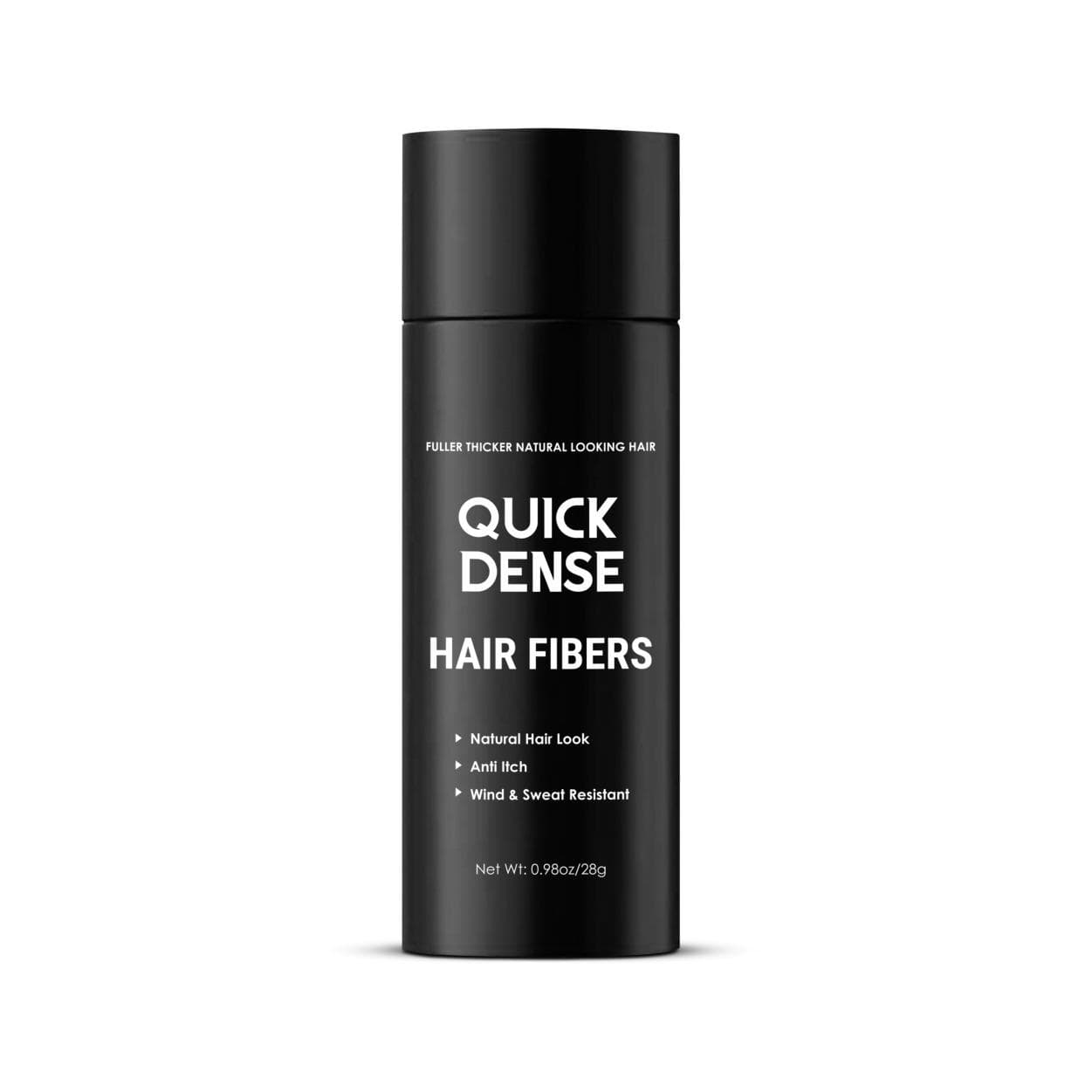
The most common Indian hair color is dark — ranging from jet black to a very dark brown that reads as black indoors. Quick Dense Black is the right choice for most people in this category. Dark Brown suits those who notice a warm undertone in their hair in direct sunlight.
Common mistake: Choosing Medium Brown thinking it will look more natural. For dark Indian hair, Medium Brown reads noticeably lighter and creates an odd two-tone effect where fibers were applied.
For Coloured or Highlighted Hair
If you color your hair, match the fiber to your current dyed color — not your natural root. The fibers need to blend with what is most visible, which is your colored mid-length and ends. If you have balayage or highlights, match to the dominant (darker) base tone.
As color fades between salon visits, the fiber color still reads as natural because it is blending with the faded version of the dye — which works in your favour.
For Salt-and-Pepper Hair
This is the trickiest situation. Two approaches work:
Match to the dark (for more coverage)
Choose a shade matching your darker strands. Applied lightly, this adds density and reduces the visible grey percentage — making hair look younger and fuller without going fully dark.
Match midpoint (for most natural blend)
If you are 50% grey or more, a medium shade that splits the difference between your dark and light strands blends most naturally from a distance.
When in Doubt, Go Slightly Lighter
If you are unsure between two shades, choose the lighter one. Fibers that are slightly lighter than your natural color blend into the overall hair more invisibly than fibers that are slightly darker — which can look like you applied visible product to specific spots.
This counterintuitive tip is especially useful for people with very dark hair who worry that any fiber will look artificial: a shade that is one step lighter than jet black reads as natural in almost all lighting conditions.
Blending Two Shades
For the most sophisticated result — particularly for hair with visible natural variation or sun-lightened ends — use two shades. Apply the darker shade close to the scalp and roots, and blend the lighter shade toward the ends of the hair where fibers settle. This mimics natural hair variation and is nearly impossible to detect.
Checking Your Match
The best lighting for checking your fiber match is natural outdoor light — not bathroom lighting, which tends to be warm and flattering. Step to a window or briefly outside after applying, and look at the treated area. If you can see a clear boundary between fiber-covered and uncovered hair, you either need to blend the edges more carefully or reconsider the shade.