Comparison · June 2025 · 5 min read
Hair Fibers vs Scalp Concealer Cream: Which One Is Right for You?
Both products cover thinning hair instantly — but they work in completely different ways. Choosing the wrong one means worse coverage and a frustrating experience. This guide tells you exactly which to use.
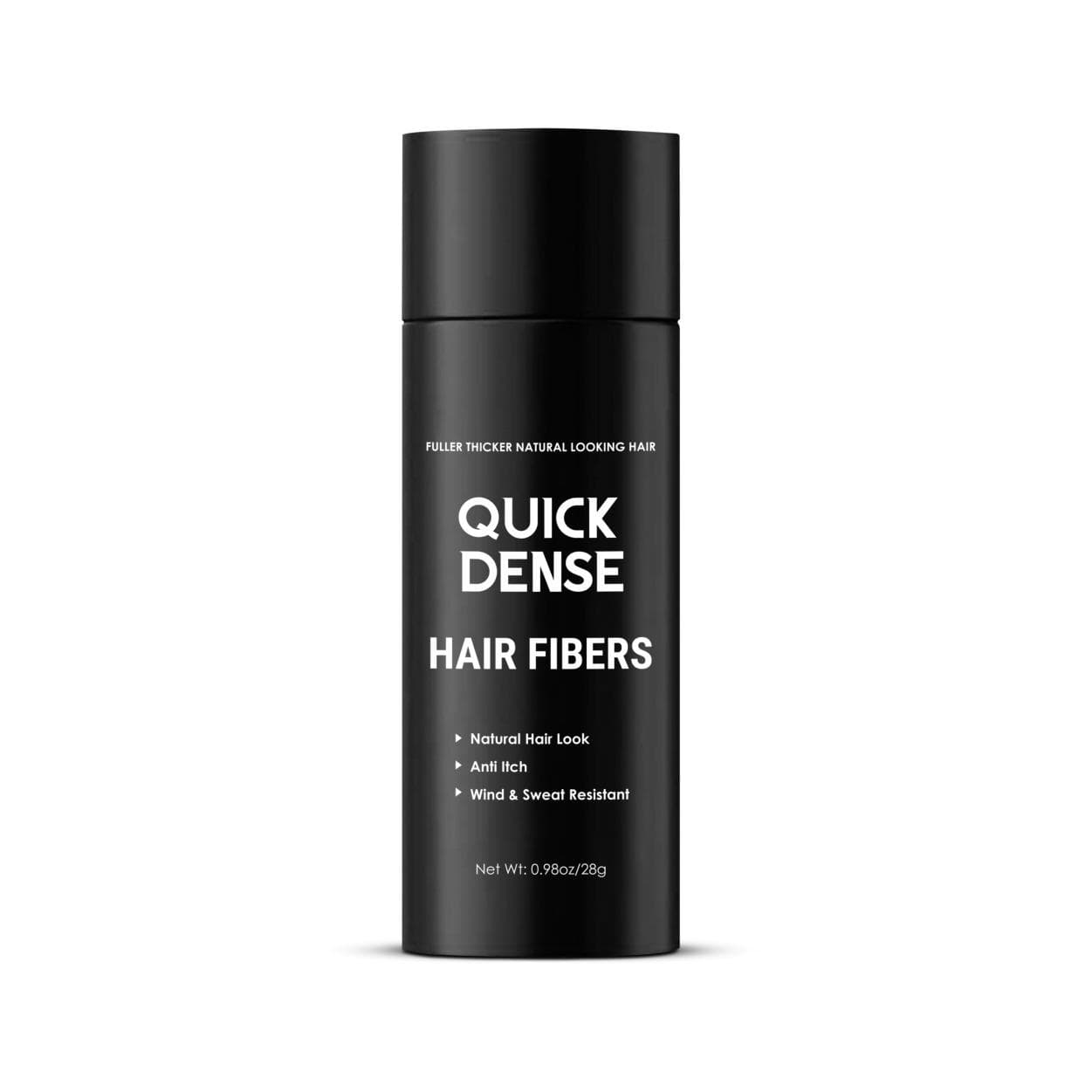
Hair Fibers
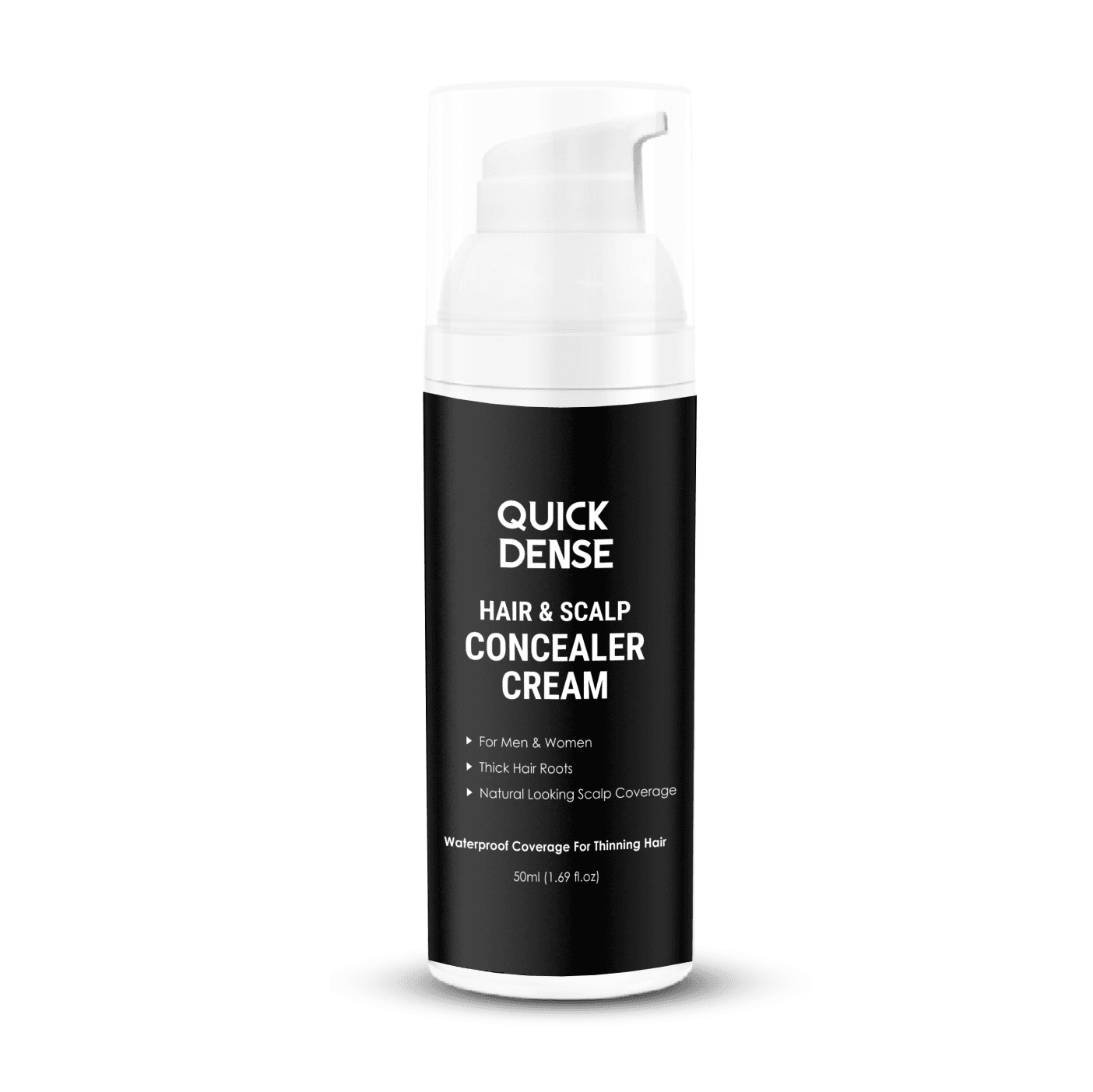
Scalp Concealer Cream
How Each Product Works
Hair Fibers
Keratin-based particles that electrostatically bind to existing hair strands. They thicken and build out the appearance of each individual hair, making the overall mass of hair look denser. They work by making the hair you have look like more hair — not by covering the scalp itself.
Scalp Concealer Cream
A pigmented cream that applies directly to the scalp skin. It covers exposed scalp between hairs — the visible contrast between skin and hair that makes thinning look worse. It reduces the skin-to-hair contrast so thinning areas appear less prominent.
Side-by-Side Comparison
| Factor | Hair Fibers | Scalp Concealer |
|---|---|---|
| Works on | Existing hair strands | Exposed scalp skin |
| Minimum hair needed | Yes — needs hair to bind to | No — works even on bare scalp |
| Application | Shake over hair | Pat/dab onto scalp |
| Finish | Fuller-looking hair | Less visible scalp |
| Best for | Diffuse thinning, crown, parting | High contrast scalp, patchy areas |
| Texture of coverage | Hair-like | Matte skin-finish |
| Sweat resistance | Good with hairspray | Good — cream formula |
Choose Hair Fibers If…
- You still have a reasonable amount of hair in the thinning area
- Your main concern is that hair looks thin, flat, or sparse
- You want to add volume and thickness across a wider area (crown, entire top)
- Your hair is styled — fibers work best on hair that already has a shape
- You want the quickest, lightest application — just shake and go
Choose Scalp Concealer Cream If…
- Your scalp is visibly exposed in patches or along the parting
- You have very little hair in the thinning area (fibers have nothing to cling to)
- Your main concern is the stark skin-to-hair contrast, not thickness
- You have a shaved head and want to blend in lighter patches
- You want a more precise, cream-based application for specific spots
When to Use Both Together
Many Quick Dense customers use both products together for the most complete coverage. The workflow:
- Apply Scalp Concealer Cream to the most exposed scalp areas first — this reduces the contrast and gives fibers a better base to land on.
- Once the cream is set (30 seconds), apply Hair Fibers over the top. The fibers now have both hair strands and the colored scalp surface to work with.
- Lock with a light mist of hairspray.
This combination gives the most natural, undetectable result for moderate-to-significant thinning.