Education · February 2025 · 7 min read
Hard Water and Hair Loss: Why Indian Cities Are Worst Affected
Most Indians wash their hair with water that would fail WHO drinking water guidelines — and they do it every day. Here is what that actually does to your hair and scalp over time.
What Makes Water “Hard”?
Water hardness is measured by its concentration of dissolved calcium and magnesium ions, expressed as TDS (Total Dissolved Solids) in mg/L or ppm. The WHO recommends a TDS below 500 mg/L for drinking water. Many Indian cities routinely exceed this:
- Delhi: TDS typically 400–700 mg/L, peaking higher in summer
- Bengaluru: 500–900 mg/L in most areas
- Jaipur: 800–1,200 mg/L in many localities
- Hyderabad: 400–800 mg/L
- Chennai: 300–600 mg/L
Mumbai's tap water is relatively soft by Indian standards (100–300 mg/L) — which may partly explain why Mumbaikars often report better hair health than residents of northern and inland cities.
How Hard Water Damages Hair
When hard water contacts your hair during washing, calcium and magnesium ions bind to the negatively charged surface of each hair strand. This creates a mineral film that:
- Raises the hair cuticle: The outer scale-like layer of the hair shaft lifts, making hair rough, dull, and prone to tangling. Each wash in hard water is a micro-damage event.
- Prevents moisture retention: The mineral layer blocks moisture from entering and leaving the hair shaft normally, leading to chronic dryness and brittleness.
- Reduces shampoo effectiveness: Hard water reacts with shampoo surfactants and prevents them from lathering properly. This means you use more shampoo, leaving more residue, and your scalp is still not properly cleansed — a cycle that blocks follicles over time.
- Increases breakage: Brittle, mineral-coated hair breaks before it reaches meaningful length — so hair appears to grow slowly or thinly even when follicles are producing normal hair.
- Blocks follicles: Mineral deposits on the scalp accumulate over time, physically narrowing follicle openings and reducing the calibre of hair produced.
The Cumulative Effect
A single wash in hard water causes minimal visible damage. But washing hair 2–4 times per week in hard water over months and years causes cumulative mineral buildup that measurably thins hair. A study published in the International Journal of Dermatology found that exposure to hard water for just 30 days significantly decreased hair tensile strength compared to soft water — meaning hard water hair breaks with far less force.
Indian hair, which is often naturally thicker and more resistant than European hair, masks this damage initially. But by the late 20s and 30s, the cumulative effect becomes visible — especially in northern cities with the hardest water.
What You Can Do
Install a shower filter
A shower filter with an ion exchange resin removes calcium and magnesium ions before water contacts your hair. Quality filters cost ₹1,000–₹3,000 and last 6–12 months. This is the single highest-impact change for hair health in hard water cities.
Use a chelating shampoo monthly
Chelating shampoos contain EDTA or similar compounds that bind to and remove mineral deposits from the hair shaft. Use once a month to clear accumulated buildup — they are too harsh for regular use.
Apple cider vinegar rinse
A diluted ACV rinse (1 tablespoon in 1 litre of water) after shampooing helps dissolve mineral deposits and closes the hair cuticle, reducing future buildup adhesion. Use once or twice a week.
Cover thinning while you treat it
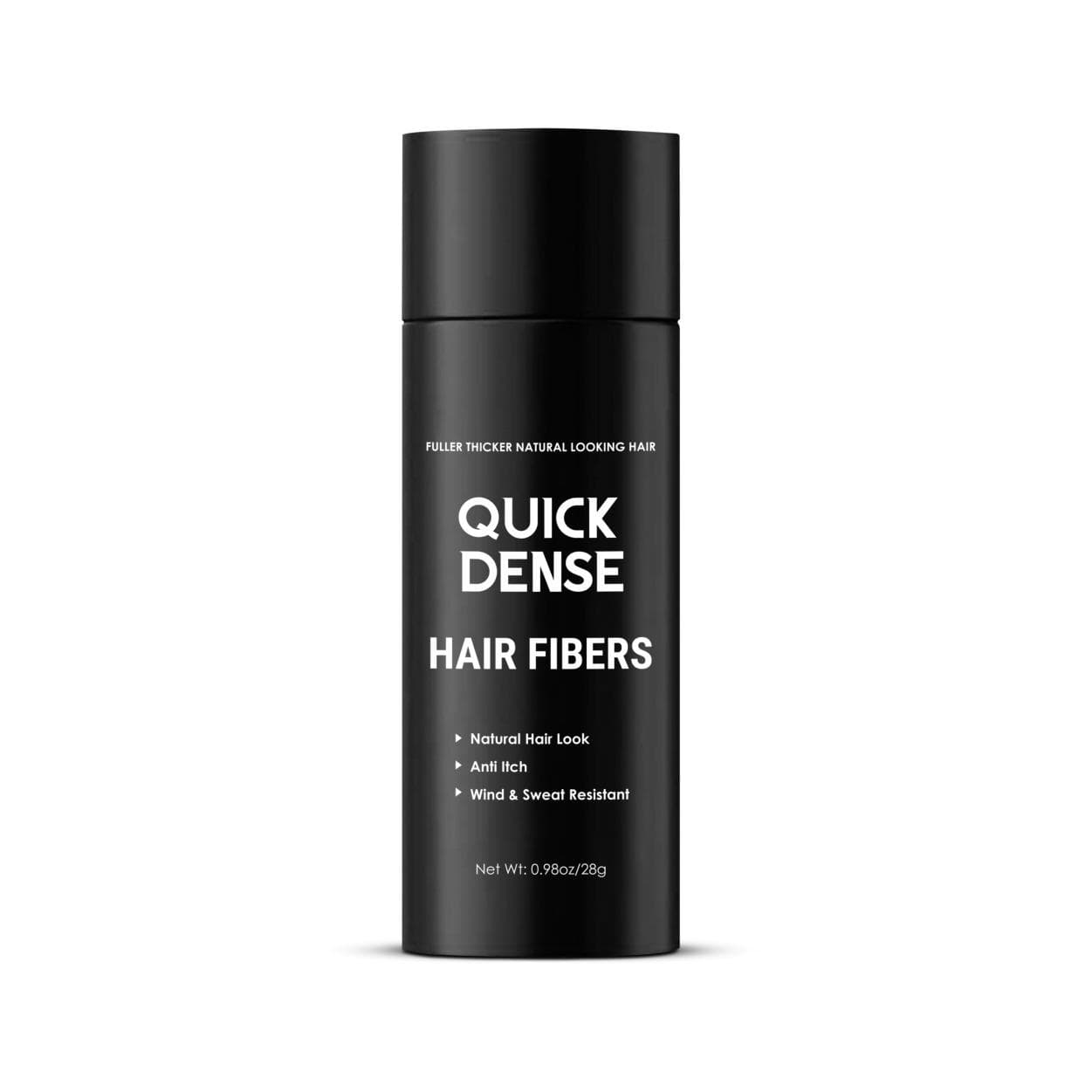
Hard water damage reversal takes months. In the meantime, Quick Dense Hair Fibers and Scalp Concealer Cream provide immediate coverage while your hair health improves.
Cover It While You Fix It