Tips · May 2025 · 5 min read
5 Ways to Use Hair Root Touch-Up Like a Pro — Including Beards
Most people think root touch-up is just for parting lines. In reality, the Quick Dense Root Touch-Up Brush is one of the most versatile grooming tools you can own — here are five ways to get the most out of it.
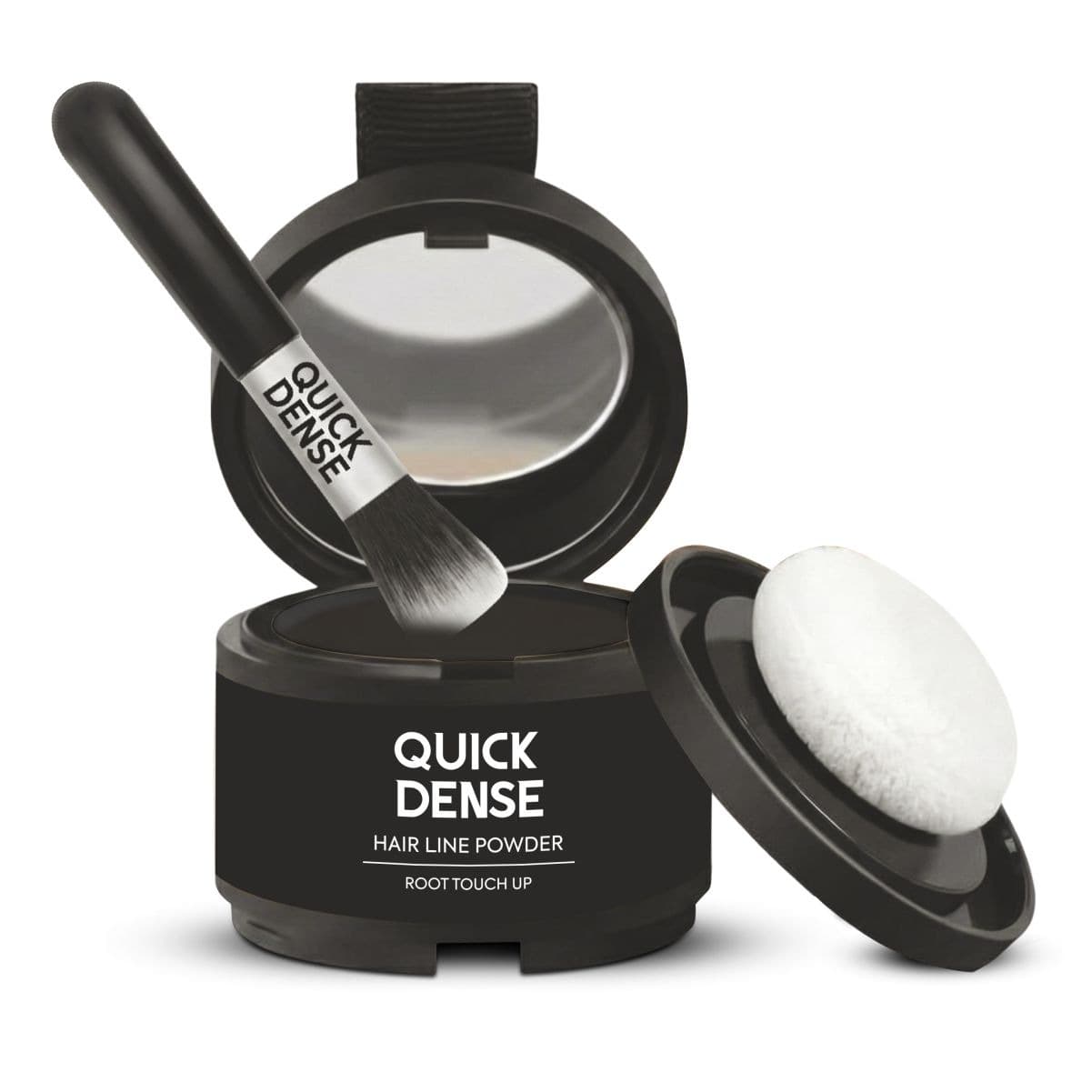
What Is the Quick Dense Root Touch-Up Brush?
The Quick Dense Hair Root Touch-Up is a precision applicator loaded with pigmented powder that blends into hair and skin instantly. Unlike spray cans, the brush gives you control over exactly where coverage goes — making it ideal for detail work. It is water-resistant once set and washes out with shampoo.
Way 1: Cover Grey Roots at the Parting
This is the classic use case — and for good reason. As hair grows out after dyeing, grey roots appear at the parting first, making it the most visible sign of regrowth. The Root Touch-Up Brush fills in the parting line with pigment that matches your dyed or natural color, buying you weeks before your next salon visit.
Technique: Part your hair as normal. Load the brush lightly and stroke along the parting in the direction of hair growth. Build up in thin layers — do not overload in one pass.
Way 2: Cover Grey Temples
Grey temples appear early in many Indian men and women — sometimes as early as the mid-20s. They are highly visible in conversation and on camera. The Root Touch-Up Brush covers them in under a minute.
Technique: Use a small circular motion at the temples, blending outward toward the hairline. Avoid getting product on the skin beyond the hairline — keep it in the hair. Feather the edges for a natural fade.
Way 3: Define and Darken the Hairline
A receding or sparse hairline makes hair look thinner even when the rest of the hair is dense. The Root Touch-Up Brush can darken and define the hairline edge, creating the illusion of a fuller, more youthful frame for the face.
Technique: Use a light hand at the hairline. Apply in short, feathering strokes that follow the natural direction of fine hairline hair. Never draw a hard line — blend it so the product disappears into both hair and skin gradually.
Way 4: Cover Grey Beard Patches
This is the use case most men do not expect — but it is one of the most popular. Grey beard hair, particularly grey patches in an otherwise dark beard or salt-and-pepper growth, makes men look older than they feel. Beard dye is permanent, messy, smells harsh, and fades unevenly within two weeks. The Root Touch-Up Brush gives you coverage today, without any commitment.
Technique: Comb the beard first so hairs are aligned. Apply the brush in short, downward strokes following beard growth direction. Build coverage gradually — one pass gives a natural tint; two passes give stronger coverage. Avoid the lips area. Once set (30 seconds), the coverage is resistant to light eating and drinking.
Customers use this for interviews, events, dates, and video calls — anywhere confidence in appearance matters.
Way 5: Fill In a Thin Moustache or Sparse Facial Hair
Not everyone grows a dense beard. The Root Touch-Up Brush can add the appearance of density to a thin moustache, patchy cheek growth, or a sparse chin. This works because the pigment settles into the skin between hairs, creating the visual impression of a fuller growth.
Technique: Use very light pressure and tiny circular motions over sparse areas. Blend immediately with a clean fingertip or brow brush. The goal is a shadow effect, not an obvious application of product.
Making It Last All Day
- Start on dry, clean hair or beard — oil reduces how long it lasts
- Let the product set for 30 seconds before touching the area
- For outdoor use in Indian heat, a light mist of hairspray over hair applications extends the wear significantly
- For beard applications, avoid touching your face for 60 seconds after applying
Frequently Asked Questions
Will it stain my skin or pillow?
No — Quick Dense Root Touch-Up washes off skin with water and out of hair with shampoo. It does not transfer to fabric when dry.
Can women use it on their hairline?
Yes. Many women use it to fill in a sparse hairline or cover grey at the parting — it works exactly the same way.
Does it work on white or silver beard hair?
Yes — white and silver hairs take the pigment well. Build coverage in two light passes rather than one heavy one for the most natural result.